Sustainable living is no longer just a trend—it’s becoming a necessity as homeowners seek ways to reduce their environmental footprint. One of the most effective ways to embrace eco-conscious living is through house exterior renovations. Your home’s exterior not only reflects its aesthetic appeal but also contributes significantly to energy efficiency, water management, and overall environmental impact. By incorporating eco-friendly materials, energy-efficient solutions, and sustainable design strategies, homeowners can create a beautiful, functional, and environmentally responsible home.
This guide explores innovative, practical, and eco-conscious ideas for transforming your house exterior, helping you achieve a sustainable home that’s both stylish and environmentally friendly.
Why Choose an Eco-Friendly House Exterior Renovation?
Renovating your home’s exterior with sustainability in mind is more than just a design choice—it’s a long-term investment in both your property and the planet. Modern homeowners are increasingly aware of the environmental impact of construction materials, energy consumption, and water usage. By choosing eco-friendly solutions, you can reduce greenhouse gas emissions, lower energy bills, and create a healthier living environment.
Eco-friendly exterior renovations can also significantly increase your home’s resale value. Prospective buyers are drawn to homes that demonstrate energy efficiency, low maintenance, and sustainable design features. Moreover, integrating sustainable solutions into your house exterior aligns with global initiatives to combat climate change, giving you the satisfaction of contributing to a greener future.
Incorporate Sustainable Building Materials
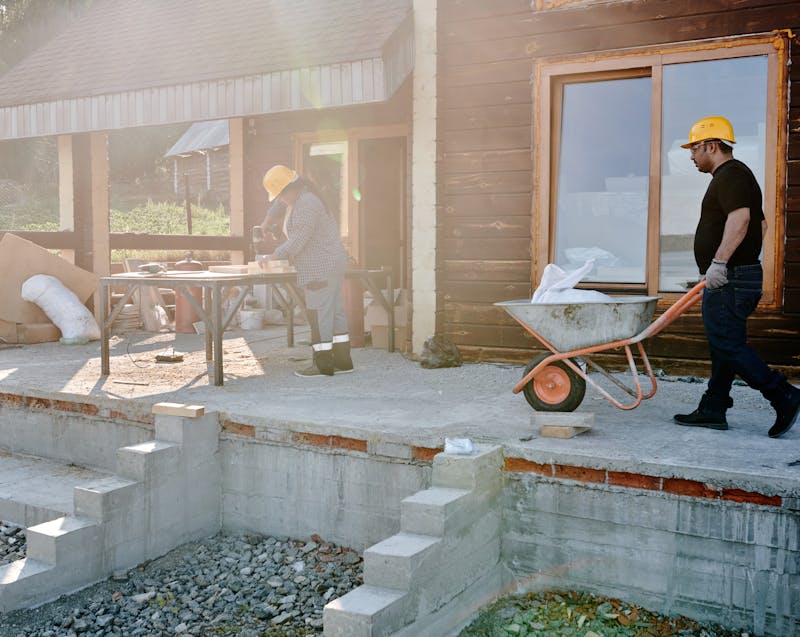
One of the simplest ways to make your house exterior more eco-friendly is by choosing sustainable materials. These materials are designed to last longer, reduce environmental harm, and often require less maintenance.
- Reclaimed Wood: Ideal for cladding, fencing, or decking, reclaimed wood provides a rustic aesthetic while repurposing materials that might otherwise end up in landfills.
- Bamboo: A fast-growing, renewable material that is durable and stylish for exterior accents, pergolas, and fencing.
- Recycled Metal: Aluminium and steel sourced from recycled materials can be used for roofing, gutters, or window frames, offering longevity and low environmental impact.
- Low-VOC Paints: Volatile organic compounds (VOCs) in traditional paints can release harmful chemicals. Low-VOC paints are safer for the environment and improve outdoor air quality.
- Concrete Alternatives: Eco-friendly concrete mixes use recycled aggregates or fly ash, reducing the carbon footprint associated with standard concrete production.
Choosing these materials not only enhances the sustainability of your renovation but also improves the durability and aesthetics of your home exterior.
Energy-Efficient Roofing Solutions
Your roof plays a significant role in energy consumption, particularly in Australia’s hot climate. Eco-friendly roofing solutions can lower energy bills, reduce heat absorption, and improve overall home efficiency.
- Cool Roofs: Reflective roofing materials help deflect sunlight, keeping your home cooler and reducing air-conditioning usage.
- Metal Roofing: Recyclable and highly durable, metal roofing can last for decades while reflecting heat effectively.
- Green Roofs: Incorporating vegetation on your roof can provide natural insulation, reduce stormwater runoff, and improve air quality.
- Solar Panels: Installing solar panels on your roof is an excellent way to generate renewable energy, reduce electricity bills, and even sell excess energy back to the grid.
Energy-efficient roofing not only contributes to environmental sustainability but also provides significant long-term financial benefits.
Sustainable Landscaping for a Greener Yard
The exterior of your home isn’t just about walls and roofs—your landscaping choices can make a huge difference in sustainability. Eco-friendly landscaping reduces water consumption, lowers maintenance, and supports local biodiversity.
- Native Plants: Local flora is naturally adapted to your climate, requiring less water and maintenance while supporting native wildlife.
- Drought-Resistant Gardens: Incorporating succulents, ornamental grasses, and other drought-tolerant species helps conserve water and reduce irrigation needs.
- Rain Gardens: Strategically designed rain gardens capture and filter rainwater, preventing runoff and replenishing groundwater.
- Permeable Paving: Permeable surfaces, such as gravel or porous concrete, allow water to seep into the soil, reducing flooding and erosion.
- Composting and Mulching: Recycle garden waste through composting and use mulch to retain soil moisture, reduce weeds, and enrich soil health.
Sustainable landscaping complements your house exterior renovation, creating a visually appealing and environmentally responsible outdoor space.
Water-Efficient Exterior Upgrades
Water management is a critical consideration for sustainable living, particularly in regions prone to drought. By implementing water-efficient upgrades, homeowners can significantly reduce water consumption and protect natural resources.
- Rainwater Harvesting: Collecting rainwater in tanks for irrigation or outdoor use reduces reliance on municipal water supplies.
- Drip Irrigation Systems: Efficient irrigation delivers water directly to plant roots, minimising waste and promoting healthy growth.
- Greywater Systems: Reusing water from showers or laundry for garden irrigation helps conserve water while reducing utility bills.
- Smart Irrigation Controllers: Automated irrigation systems adjust watering schedules based on weather conditions, soil moisture, and plant needs.
Water-efficient systems not only support sustainability but also ensure that your garden and landscaping thrive even in dry conditions.
Eco-Friendly Exterior Finishes and Cladding
The finishes and cladding on your home’s exterior can significantly influence sustainability, maintenance requirements, and energy efficiency. Selecting the right materials can enhance both the aesthetics and environmental impact of your home.
- Recycled Brick or Stone: Durable and visually appealing, recycled brick or stone reduces demand for new raw materials.
- Timber Cladding from Sustainable Sources: FSC-certified timber ensures responsible forest management.
- Stucco and Render Alternatives: Lime-based or natural renders are low in carbon and provide breathability, reducing the need for energy-intensive climate control.
- Non-Toxic Sealants: Use sealants and coatings free from harmful chemicals to protect materials while maintaining air and soil quality.
By choosing eco-friendly exterior finishes, homeowners can enjoy a long-lasting, low-maintenance façade that aligns with sustainable living principles.
Green Driveways and Pathways
Your driveway and pathways are often overlooked areas for sustainable renovation. Eco-friendly designs can improve water absorption, reduce heat islands, and create a more resilient exterior.
- Permeable Pavers: Allow water to infiltrate the ground, reducing runoff and flooding.
- Recycled Materials: Gravel, crushed glass, or recycled concrete can be used for driveways, reducing demand for new resources.
- Grass Pavers: A hybrid solution that supports plant growth while providing a stable surface for vehicles.
- Reflective or Light-Coloured Materials: Reduce heat absorption and minimise the urban heat island effect.
Sustainable driveways and pathways complement your eco-friendly exterior renovation while enhancing your home’s curb appeal.
Outdoor Lighting: Energy-Efficient Solutions
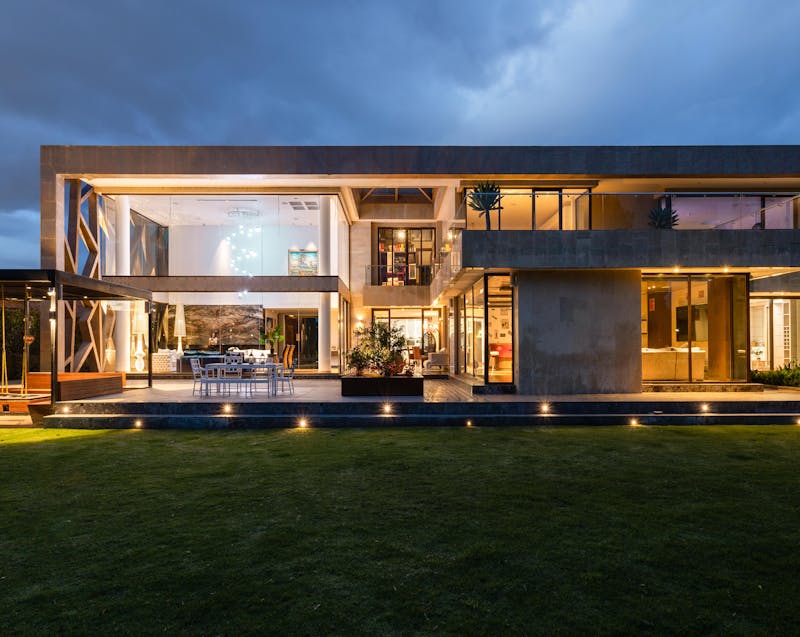
Lighting is an essential aspect of home exteriors, but traditional solutions can consume a lot of energy. Sustainable exterior lighting improves safety, aesthetics, and efficiency.
- LED Lighting: LED lights are more energy efficient than traditional bulbs and have a longer lifespan.
- Solar-Powered Lights: Solar path lights, garden lamps, and wall-mounted fixtures generate power from sunlight, reducing electricity use.
- Motion Sensors and Timers: Lights that operate only when needed minimise energy waste and enhance security.
- Warm Colour Temperatures: Using warm, low-intensity lights reduces light pollution and creates a welcoming ambiance.
Implementing energy-efficient outdoor lighting allows homeowners to enjoy their outdoor spaces sustainably while reducing electricity bills.
How to Plan a Sustainable House Exterior Renovation
Renovating your home’s exterior with sustainability in mind requires careful planning. A well-structured approach ensures your project is environmentally responsible, cost-effective, and aesthetically pleasing.
- Assess Your Current Exterior: Evaluate existing materials, energy efficiency, water management, and landscaping.
- Set Clear Sustainability Goals: Decide whether your focus is energy efficiency, water conservation, material choice, or a combination of these factors.
- Budget Wisely: Factor in long-term savings from energy-efficient systems and low-maintenance materials.
- Choose the Right Professionals: Work with architects, builders, or landscape designers experienced in eco-friendly renovations.
- Select Eco-Friendly Materials: Prioritise recycled, renewable, or low-impact materials.
- Plan for Energy and Water Efficiency: Integrate solar panels, efficient roofing, and water-saving systems.
- Monitor and Maintain: Regular upkeep ensures your sustainable renovations continue to perform effectively.
A strategic approach not only enhances the sustainability of your renovation but also ensures the final result is visually appealing and long-lasting.
Common Challenges and How to Overcome Them
While eco-friendly exterior renovations offer many benefits, homeowners may encounter challenges. Understanding potential obstacles helps you make informed decisions and avoid costly mistakes.
- Higher Upfront Costs: Sustainable materials and systems may cost more initially, but long-term energy and maintenance savings often outweigh the investment.
- Limited Local Availability: Some eco-friendly materials may be harder to source locally. Consider ordering from certified suppliers or using alternative materials.
- Contractor Expertise: Not all contractors are experienced with sustainable building practices. Research credentials and past projects before hiring.
- Balancing Aesthetics and Functionality: Sustainable solutions don’t need to compromise style. Work with designers to achieve a visually appealing and functional exterior.
By anticipating these challenges and planning carefully, homeowners can ensure a smooth and successful eco-friendly renovation.
Final Thoughts: Transform Your Home Responsibly
Eco-friendly house exterior renovations combine style, functionality, and environmental responsibility. From sustainable materials and energy-efficient roofing to water-wise landscaping and lighting, homeowners have numerous options to reduce their environmental footprint. By planning strategically, selecting appropriate materials, and collaborating with experienced professionals, you can create a home exterior that not only enhances curb appeal but also promotes long-term sustainability.
Embracing sustainable living through exterior renovations is an investment in the future—both for your home and the planet. By making environmentally conscious choices today, you contribute to a healthier, greener, and more resilient world.