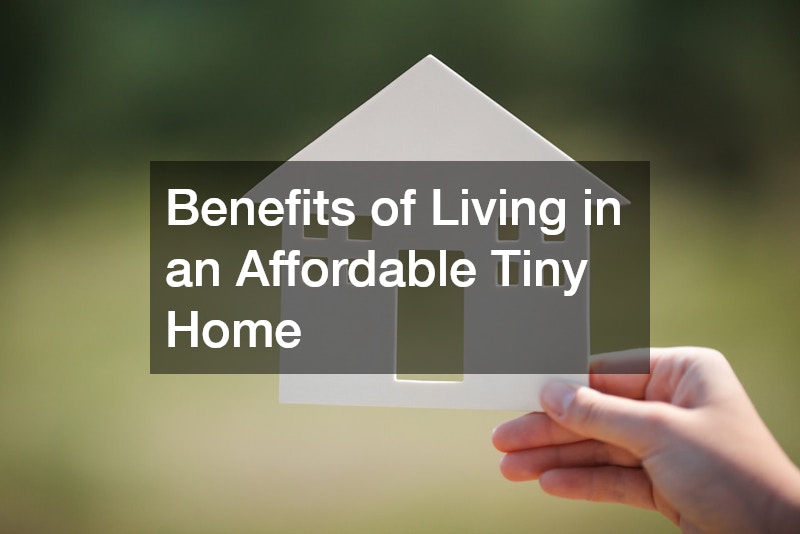
In recent years, tiny homes have shifted from a niche lifestyle to a practical housing solution for many Australians. Rising property prices, changing priorities and a desire for simpler living have led people to explore smaller, more efficient homes. Choosing an affordable tiny home can offer a wide range of benefits, from financial freedom to environmental sustainability.
While tiny homes may be smaller in size, the lifestyle advantages they offer can be surprisingly large. Below are some of the key reasons why many people are embracing tiny home living.
A Simpler Lifestyle
Living in a tiny home encourages a more intentional way of life. With limited space available, homeowners must carefully consider what possessions they truly need.
This shift can lead to a more minimalist lifestyle that focuses on experiences rather than material goods.
Many people find that downsising helps them:
- Reduce clutter and unnecessary belongings
- Spend less time cleaning and organising
- Focus on hobbies, relationships and personal growth
- Become more mindful about purchasing decisions
Instead of managing a large home filled with items, tiny home residents often discover the freedom that comes from living with less.
Reduced Environmental Impact
Sustainability is another major advantage of tiny homes. Because they are smaller, they require fewer materials to build and less energy to operate.
This naturally lowers the environmental footprint of the household.
Environmental benefits often include:
- Reduced construction materials and waste
- Lower energy consumption for heating and cooling
- Easier integration of solar power systems
- Less water usage
- Smaller land footprint
Many tiny home owners also incorporate eco-friendly features such as rainwater collection, composting systems and energy-efficient appliances.
The result is a lifestyle that aligns more closely with environmental responsibility.
Greater Financial Freedom
Financial stress is a major concern for many households. Large mortgages, rising living costs and ongoing maintenance expenses can put pressure on families for years.
Choosing an affordable tiny home can dramatically reduce these financial burdens.
With lower housing costs, residents often gain the freedom to:
- Work fewer hours
- Change careers more easily
- Start their own business
- Save more aggressively for the future
- Travel or take extended breaks from work
Rather than being tied to high housing expenses, many tiny home owners enjoy increased flexibility in how they live and work.

Mobility & Flexibility
Another appealing feature of some tiny homes is their potential mobility. Many are built on trailers, allowing them to be relocated if necessary.
This flexibility can be particularly valuable for people who enjoy travel or who want the option to change locations.
Possible advantages include:
- Moving closer to work opportunities
- Living in different regions without buying multiple properties
- Parking on rural land or family property
- Adjusting living arrangements as life circumstances change
Although regulations vary between regions, the ability to relocate can provide a level of freedom rarely available with traditional homes.
Easier Maintenance & Cleaning
Maintaining a large home can require significant time and effort. Cleaning multiple rooms, repairing roofing, managing landscaping and maintaining large systems can become overwhelming.
Tiny homes simplify this process.
Because the space is smaller, homeowners often spend far less time on chores. Common benefits include:
- Faster cleaning routines
- Fewer repairs and lower maintenance costs
- Less furniture and fewer appliances to maintain
- Simpler home management overall
Many tiny home owners report spending only a fraction of the time on housework compared to when they lived in larger homes.
This leaves more time for activities they truly enjoy.
Encourages Creative Design
Living in a small space encourages clever design solutions. Every square metre must serve a purpose, which often leads to innovative layouts and multifunctional furniture.
Examples of smart tiny home design include:
- Loft sleeping areas to maximise floor space
- Fold-down tables and desks
- Hidden storage under stairs and seating
- Multi-purpose rooms that serve several functions
These design strategies allow even very small homes to feel comfortable and functional.
In many cases, a thoughtfully designed tiny home can feel far more efficient than a poorly planned larger house.
A Growing Housing Alternative
As housing affordability continues to challenge many Australians, tiny homes are gaining popularity as a viable alternative. For first-home buyers, retirees, and people seeking a simpler lifestyle, they offer a practical path to independence.
Choosing an affordable tiny home can deliver meaningful benefits beyond cost savings. It can support financial freedom, reduce environmental impact, simplify daily life and encourage a more intentional approach to living.
For those willing to embrace smaller spaces, tiny homes prove that comfort and quality of life are not determined by size. Instead, they highlight how thoughtful design and mindful living can create a home that is both practical and fulfilling.