A well-maintained air conditioner can make a significant difference to indoor comfort, particularly during Australia’s warmer months. While air conditioning systems are designed to provide reliable cooling, regular maintenance can help them operate efficiently and reduce the likelihood of unexpected problems. Simple care between professional appointments can also help keep the system in better condition.
Knowing how to look after your air conditioner can help you get more from your investment and potentially extend the system’s useful life. In this article, we explore practical ways to maintain your air conditioner, from keeping filters clean to arranging professional inspections.
Keep The Filters Clean
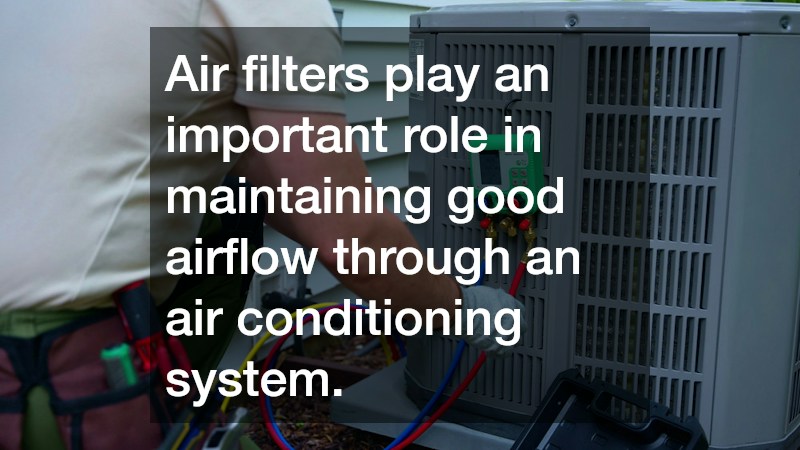
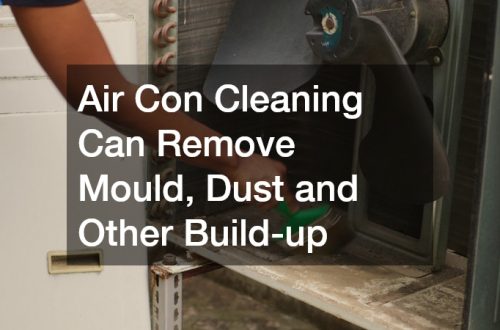
Air filters play an important role in maintaining good airflow through an air conditioning system. Over time, they can collect dust, dirt and other airborne particles. A heavily clogged filter can restrict airflow and make the system work harder to maintain the desired temperature.
Check your filters regularly and clean or replace them according to the manufacturer’s recommendations. How often they need attention can depend on factors such as how frequently the system is used, the environment around the property and the type of filter installed.
Clean filters can help support efficient airflow and allow the system to operate more effectively.
Keep Outdoor Units Clear
For split-system and other air conditioning systems with an outdoor unit, keeping the surrounding area clear is an important part of maintenance. Leaves, grass, dirt and other debris can accumulate around the unit and interfere with airflow.
Check the area around the outdoor unit periodically and remove loose debris. Plants and shrubs should also be kept at a suitable distance so they do not obstruct ventilation.
Avoid placing items directly against the unit, as adequate airflow is necessary for the system to operate properly.
Check For Unusual Changes
Pay attention to changes in how your air conditioner operates. Unusual noises, unpleasant odours, reduced airflow or inconsistent cooling can indicate that something is not working as it should.
You may also notice that the system takes longer than usual to reach the desired temperature or runs more frequently. These changes should not necessarily be ignored, particularly if they continue after basic maintenance has been completed.
Arranging air conditioning service can allow a qualified technician to investigate unusual symptoms and determine whether repairs or further maintenance are required.
Keep Vents And Indoor Areas Unobstructed
Furniture, curtains and other household items can sometimes block air conditioning vents. When airflow is restricted, cooled air may not circulate effectively throughout the room.
Check that supply and return vents are not covered or blocked. Keeping these areas unobstructed can help air move more freely and may contribute to more consistent indoor temperatures.
Regularly dusting around accessible vents can also help prevent unnecessary accumulation of dirt.
Use Your System Sensibly
How you use your air conditioner can influence its workload. Setting the temperature to a reasonable level can help prevent the system from working harder than necessary.
Keeping doors and windows closed while the air conditioner is running can also help maintain the indoor temperature. Curtains or blinds can be useful for reducing direct sunlight entering rooms during particularly hot periods.
Using these simple habits alongside routine maintenance can help your system operate more efficiently.
Arrange Professional Maintenance
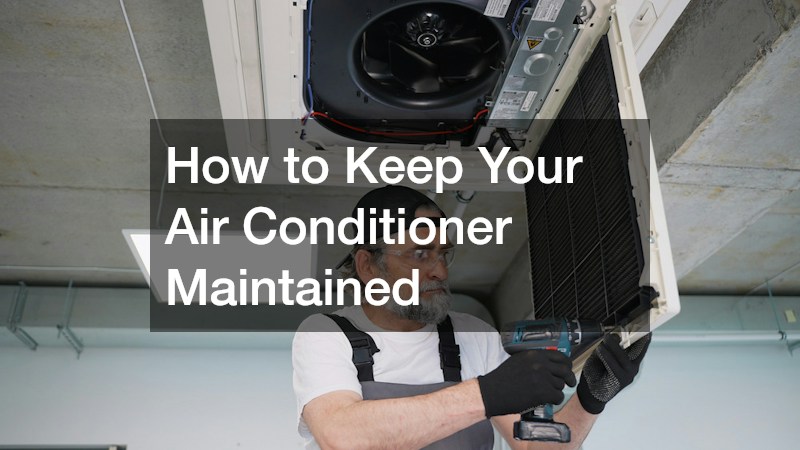
Although homeowners can handle some basic maintenance tasks, professional servicing remains an important part of caring for an air conditioning system. A qualified technician can inspect components that are not easily accessible and identify potential problems.
During air conditioning service, a technician may check electrical components, filters, coils, fans, drainage and other parts of the system. They can also assess overall performance and advise you if repairs or replacement components are needed.
Professional maintenance can be particularly useful before periods of heavy use, when an unexpected breakdown could be inconvenient.
Address Problems Promptly
Small problems can sometimes develop into more significant faults when they are left unattended. If your air conditioner is leaking, producing unusual sounds, struggling to cool a room or repeatedly switching off, consider having it inspected.
Prompt air conditioning service can help identify the cause of a problem before it potentially affects other components. A technician can explain the issue and recommend an appropriate solution based on the condition of your system.
Keep Maintenance Records
Keeping a simple record of maintenance can make it easier to stay on top of your air conditioner’s needs. Note when filters are cleaned or replaced, when professional servicing takes place and whether any repairs have been completed.
These records can also help technicians understand the system’s maintenance history during future appointments.
Regular air conditioner maintenance does not have to be complicated. Cleaning filters, keeping outdoor units clear, checking for unusual changes and ensuring vents remain unobstructed can all contribute to better system care.
However, professional air conditioning service is still an important part of long-term maintenance. By combining regular household care with professional inspections, you can help your air conditioner remain reliable and efficient. If your system is overdue for maintenance or showing signs of a problem, contact a qualified technician to arrange a service.