
A home transformation is not a single project but a series of intentional decisions that improve how a space looks, functions, and supports everyday life. For homeowners, transformation can mean increasing comfort, enhancing safety, boosting energy efficiency, or preparing a property for long-term value growth. Unlike quick cosmetic updates, meaningful home improvements require a deeper understanding of how different systems, materials, and layouts work together. When done correctly, these changes can significantly improve the quality of life while reducing future maintenance costs.
Many homeowners begin renovations with a focus on appearance, only to discover later that underlying issues limit the effectiveness of their upgrades. Aging systems, hidden damage, and poor planning often result in repeated repairs or premature replacements. A thoughtful transformation strategy looks beyond surface-level improvements and prioritizes structural stability, efficiency, and durability. This approach ensures that investments deliver lasting benefits rather than short-term visual appeal.
Successful home transformations also depend on understanding timing and prioritization. Some projects naturally support or protect others, and tackling them in the wrong order can lead to wasted effort and money. Homeowners who take the time to plan carefully, evaluate their property holistically, and seek professional guidance when needed are far more likely to achieve cohesive, high-quality results. With the right knowledge and preparation, transforming a home becomes a rewarding process that adds lasting value and comfort for years to come.
Start with a Full Home Assessment Before Making Changes
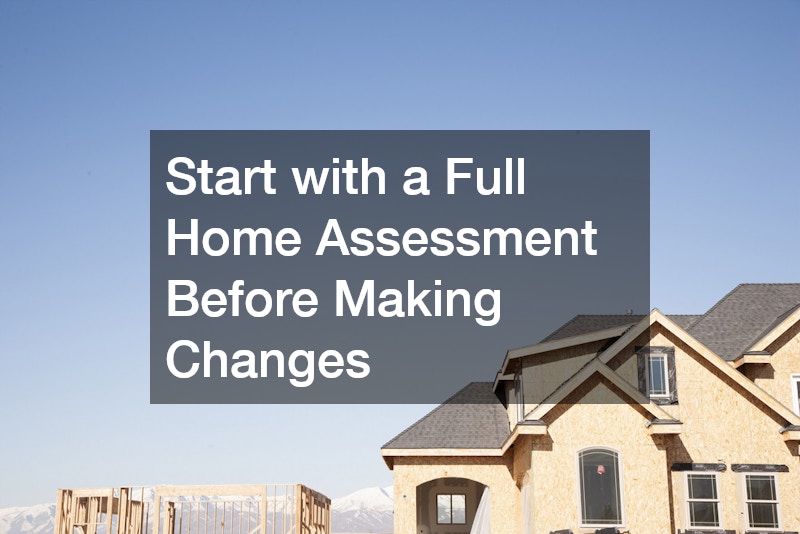
Every successful home transformation begins with a clear understanding of the property’s current condition. A full home assessment allows homeowners to identify existing problems, anticipate future needs, and avoid spending money on upgrades that may later need to be undone. This process goes beyond a casual walkthrough and involves closely examining structural elements, mechanical systems, and signs of wear that may not be immediately obvious. Taking the time to assess the home thoroughly creates a strong foundation for all renovation decisions that follow.
Homeowners should start by inspecting both interior and exterior areas for visible damage, aging materials, and performance issues. Cracks in walls, uneven floors, water stains, drafts, or musty odors can all point to deeper concerns. The exterior deserves equal attention, as issues outside the home often affect interior conditions. For example, deteriorating shingles or flashing may indicate the need for local roof repair, even if leaks have not yet become obvious inside the home.
A structured assessment often benefits from professional input, especially for areas that require specialized knowledge. Home inspectors, contractors, or trade professionals can identify issues related to structural integrity, moisture intrusion, or system inefficiencies that homeowners might overlook. Their findings help distinguish between cosmetic concerns and problems that demand immediate attention. This clarity allows homeowners to prioritize repairs and upgrades based on risk, urgency, and long-term value rather than aesthetics alone.
Once the assessment is complete, homeowners should document their findings and organize them into short-term and long-term priorities. Creating a written improvement plan helps prevent impulsive decisions and supports more accurate budgeting. It also allows renovations to be sequenced logically, ensuring that foundational repairs are completed before surface-level enhancements. By starting with a comprehensive assessment, homeowners position themselves for smoother projects, fewer surprises, and more successful transformation outcomes.
Address Structural and Exterior Issues First
Exterior and structural components should always be handled before interior enhancements. The condition of a home’s outer shell directly affects everything inside, from insulation performance to moisture control. Ignoring these elements can lead to recurring problems that undermine even the most expensive renovations. Taking care of foundational concerns ensures long-term durability and peace of mind.
One of the most common exterior priorities is roof repairing, which prevents leaks, mold growth, and structural decay. Homeowners should pay attention to warning signs such as water stains on ceilings, cracked flashing, or debris buildup in gutters. Beyond the roof, exterior walls, drainage systems, and entry points should be inspected and maintained. When these systems are secure, interior upgrades last longer and perform as intended.
Modernize Essential Systems for Efficiency and Safety
Modernizing a home’s essential systems is one of the most impactful steps a homeowner can take, even though these upgrades are often less visible than cosmetic renovations. Electrical, plumbing, and heating systems form the backbone of daily comfort and safety, and outdated components can strain performance while increasing the risk of failures. Homes built decades ago were not designed to support today’s appliances, technology, or usage patterns, making system upgrades a practical necessity rather than a luxury.
One area that deserves particular attention is the home’s hot water system. Aging water heaters often operate inefficiently, leading to inconsistent temperatures, rising energy bills, and unexpected breakdowns. Modern units are designed to heat water faster, retain temperature longer, and consume less energy overall. Choosing the right system depends on household size, peak usage times, and available installation space, all of which should be evaluated before making a replacement decision.
Beyond hot water, homeowners should also assess electrical capacity and plumbing integrity. Flickering lights, tripped breakers, slow drains, or low water pressure can indicate systems that are struggling to meet demand. Updating wiring, panels, or piping not only improves performance but also reduces fire hazards and water damage risks. These upgrades may not be visually dramatic, but they significantly improve day-to-day reliability and peace of mind.
Planning system upgrades early in the renovation process helps avoid costly rework later. For example, opening walls for electrical or plumbing improvements is far easier before new finishes are installed. Modernized systems also support future upgrades, such as smart home features or energy-efficient appliances. By prioritizing essential infrastructure, homeowners ensure that every subsequent improvement is supported by a safe, efficient, and dependable foundation.
Eliminate Hidden Threats That Can Damage Your Home

Not all threats to a home are immediately visible. Pests, moisture, and unseen structural damage can silently compromise a property’s integrity. Addressing these risks early protects both the home and the health of those living inside. Ignoring these issues often results in costly repairs and prolonged disruptions later.
Professional exterminator services are often necessary when infestations extend beyond basic DIY solutions. Pests such as termites, rodents, and insects can weaken structures and contaminate living spaces. A proactive approach includes sealing entry points, managing moisture, and scheduling regular inspections. Eliminating hidden threats ensures that renovation efforts are not undone by preventable damage.
Incorporate Eco-Conscious Upgrades That Pay Off Long Term
Sustainability is no longer a luxury— it is a practical investment. Eco-conscious upgrades reduce utility costs, improve indoor comfort, and increase resale appeal. Homeowners who plan with efficiency in mind often enjoy long-term savings while minimizing environmental impact. These improvements also align homes with evolving building standards and buyer expectations.
Incorporating sustainable building designs allows homeowners to balance functionality with responsible material use. This may include improved insulation, energy-efficient windows, and smarter layout planning that maximizes natural light. Sustainable choices often require higher upfront costs but deliver consistent returns over time. Thoughtful planning ensures these upgrades integrate seamlessly with the home’s overall design.
Upgrade Bathrooms with Functionality and Storage in Mind
Bathrooms are among the most frequently used spaces in any home, making them prime candidates for transformation. A well-designed bathroom improves daily routines while adding measurable property value. Functionality should always come before aesthetics, especially in spaces where storage, durability, and moisture resistance are essential.
Selecting durable bathroom vanity countertops plays a major role in both appearance and performance. Homeowners should consider materials that resist stains, moisture, and wear while complementing the overall design. Smart storage solutions, efficient layouts, and quality fixtures further enhance usability. When done correctly, bathroom upgrades combine practicality with long-lasting style.
Choose Durable Surfaces That Balance Style and Longevity

High-use surfaces endure daily wear, spills, and impact, making material selection critical. Choosing the wrong surface can lead to frequent repairs, stains, or premature replacement. Durable materials not only last longer but also reduce maintenance demands over time. This balance of performance and aesthetics is key to a successful transformation.
Among popular options, granite countertops continue to stand out for their durability and timeless appeal. They resist heat and scratches while offering natural variations that add character to a space. Homeowners should consider sealing requirements and color consistency when selecting materials. Investing in durable surfaces ensures that upgraded spaces remain functional and visually appealing for years.
Improve Privacy and Curb Appeal with the Right Boundaries
Exterior boundaries influence more than just appearance— they affect privacy, safety, and usability. A well-planned boundary solution enhances curb appeal while defining outdoor spaces. Homeowners should consider how boundaries fit into the broader landscape and architectural style of the home.
Working with experienced fencing contractors helps ensure proper installation, compliance with local regulations, and material longevity. Options range from wood and vinyl to metal and composite materials, each with unique benefits. Properly designed boundaries improve security while enhancing the home’s overall presentation. Thoughtful planning prevents future repairs and maintains visual harmony.
Coordinate Interior Updates for a Cohesive Look
Coordinating interior updates is essential for creating a home that feels intentional rather than pieced together over time. When renovations are done without a unified plan, even high-quality upgrades can feel disjointed or visually confusing. Consistency in color palettes, materials, finishes, and architectural details helps establish a sense of flow from room to room. This cohesion not only improves aesthetics but also enhances how the home functions on a daily basis.
A well-coordinated interior begins with a clear design vision. Homeowners should define a general style direction early, whether that is modern, transitional, traditional, or a blend of influences. Flooring choices, trim styles, hardware finishes, and lighting should complement one another across shared spaces. Even subtle details, such as door styles or wall textures, contribute to a seamless visual experience when they are thoughtfully aligned.
Professional remodeling services can play a key role in achieving this level of consistency. Experienced professionals help homeowners connect design decisions across multiple rooms while balancing practicality and budget. They can also anticipate challenges that arise when blending old and new elements, ensuring that updates feel natural rather than forced. This guidance is especially valuable in open-concept homes, where mismatched finishes are more noticeable.
To maintain cohesion throughout the renovation process, homeowners should also consider timing and sequencing. Completing related projects together often leads to better results than spreading updates over many years. When planning interior coordination, it helps to focus on shared elements such as flooring transitions, paint continuity, and lighting temperature. These decisions create harmony without requiring identical designs in every room.
A coordinated interior ultimately supports both comfort and long-term value. Homes that feel unified tend to photograph better, show better, and appeal more strongly to future buyers. More importantly, they feel calmer and more functional for those living in them every day. By approaching interior updates with a big-picture mindset, homeowners can transform their spaces into environments that feel balanced, polished, and thoughtfully designed.
Work with Specialists for Complex Renovations

Certain home projects require specialized knowledge and experience. Complex renovations involve plumbing, electrical coordination, and structural considerations that go beyond basic updates. Attempting these projects without expertise can lead to delays, safety risks, and unexpected expenses. Hiring the right specialist ensures quality results and compliance with building standards.
A professional bathroom remodeler brings expertise in layout optimization, waterproofing, and fixture installation. Their experience helps prevent common issues such as poor drainage or inadequate ventilation. Specialists also provide valuable design insight and material recommendations. Partnering with experts leads to smoother projects and higher-quality outcomes.
A successful home transformation is built on strategy, patience, and informed choices rather than quick fixes or trend-driven decisions. By taking the time to understand a home’s current condition and addressing critical needs first, homeowners can create improvements that last and continue to deliver value over time. Each upgrade, whether large or small, plays a role in the overall performance and comfort of the home, making thoughtful planning essential.
Long-term success comes from viewing renovations as an interconnected system rather than isolated projects. Structural stability, efficient systems, and functional layouts all support one another, ensuring that upgrades work together instead of competing for attention. Homeowners who prioritize durability, energy efficiency, and usability often find that their homes require fewer repairs and adapt more easily to changing needs in the future.
Ultimately, transforming a home is about creating a space that supports everyday life while protecting the investment it represents. When decisions are guided by practicality, quality, and professional insight, the result is a home that feels cohesive, reliable, and comfortable. With the right approach, home transformation becomes an ongoing improvement process that delivers lasting satisfaction and peace of mind for years to come.